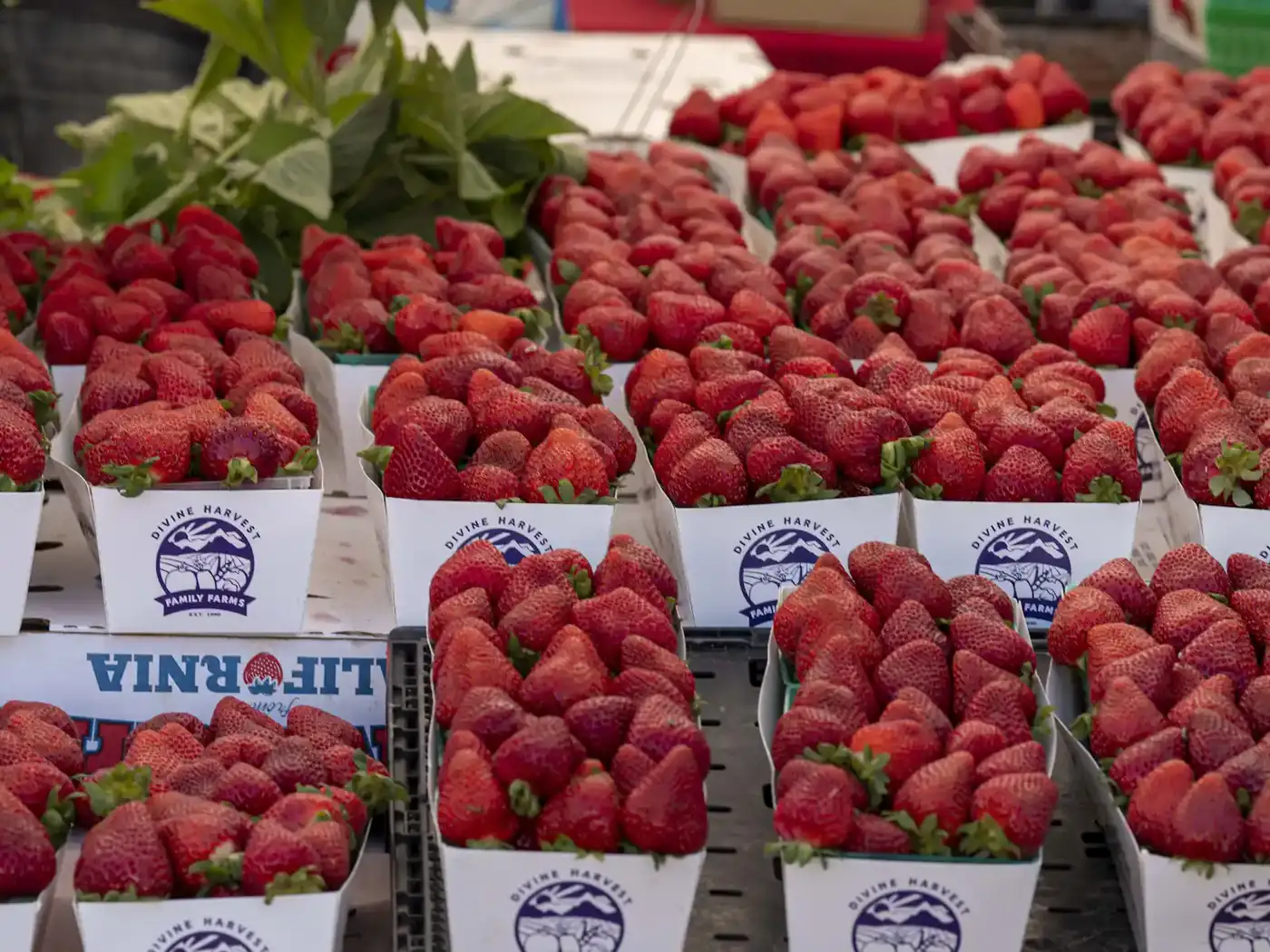
Day-Neutral
Albion Strawberry
Firm, sweet, conical berries on a tidy plant.
Good for: a long, steady harvest.

Strawberry Varieties
The variety you choose decides whether a Kratky container gives you one short crop or berries for months. This page compares the strawberry varieties growers most often use in passive hydroponics.
Albion StrawberryA day-neutral variety with firm, sweet berries that fruits over a long season.
Seascape StrawberryA day-neutral variety that tolerates warm conditions and produces large berries.

A Kratky container holds a fixed amount of nutrient solution and has no pump, so the plant has to stay productive in a small, still root zone. Three traits matter most.
Day-Neutral
Firm, sweet, conical berries on a tidy plant.
Good for: a long, steady harvest.
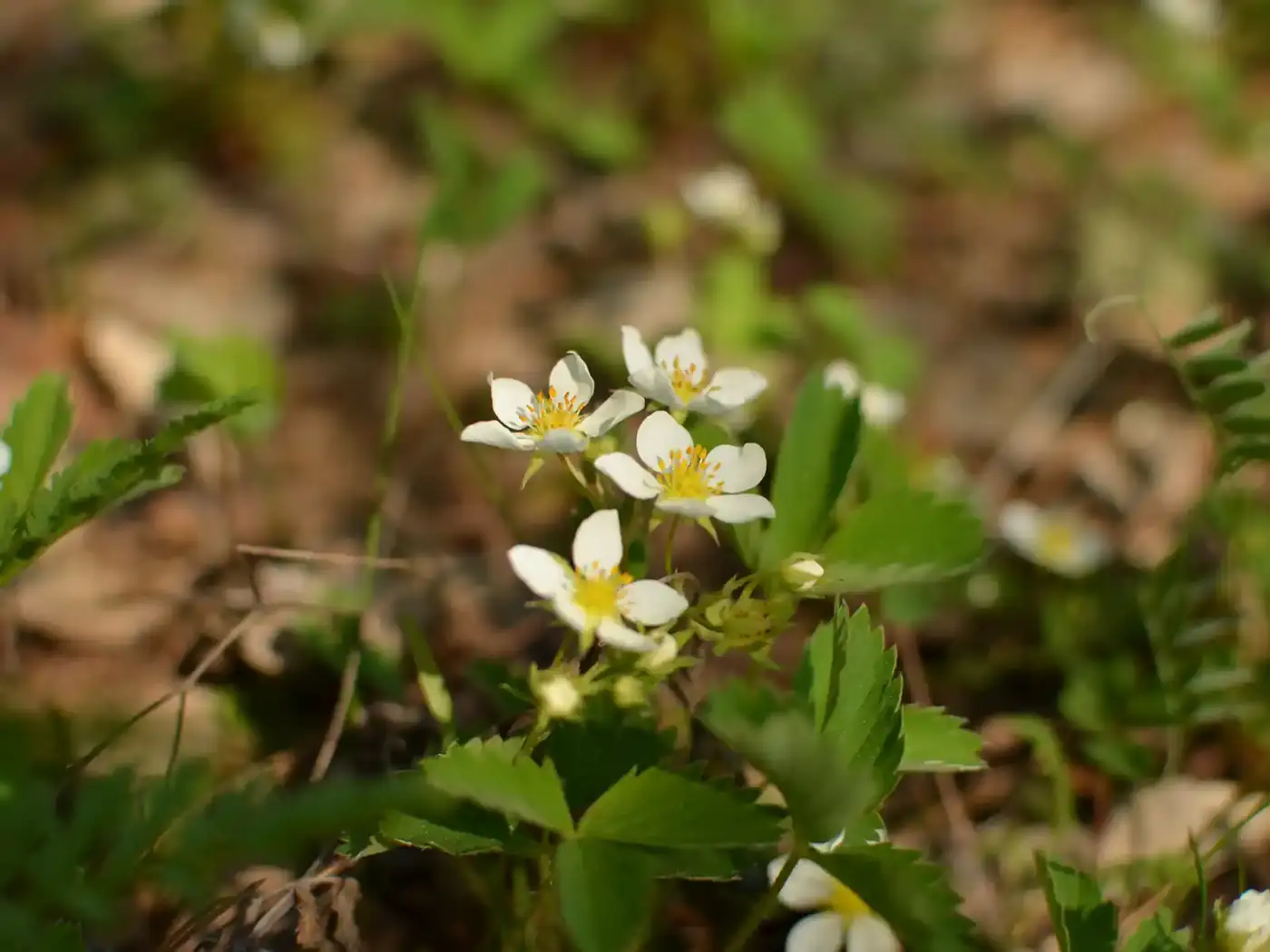
Day-Neutral
Large berries and good tolerance of warm conditions.
Good for: warmer growing spots.
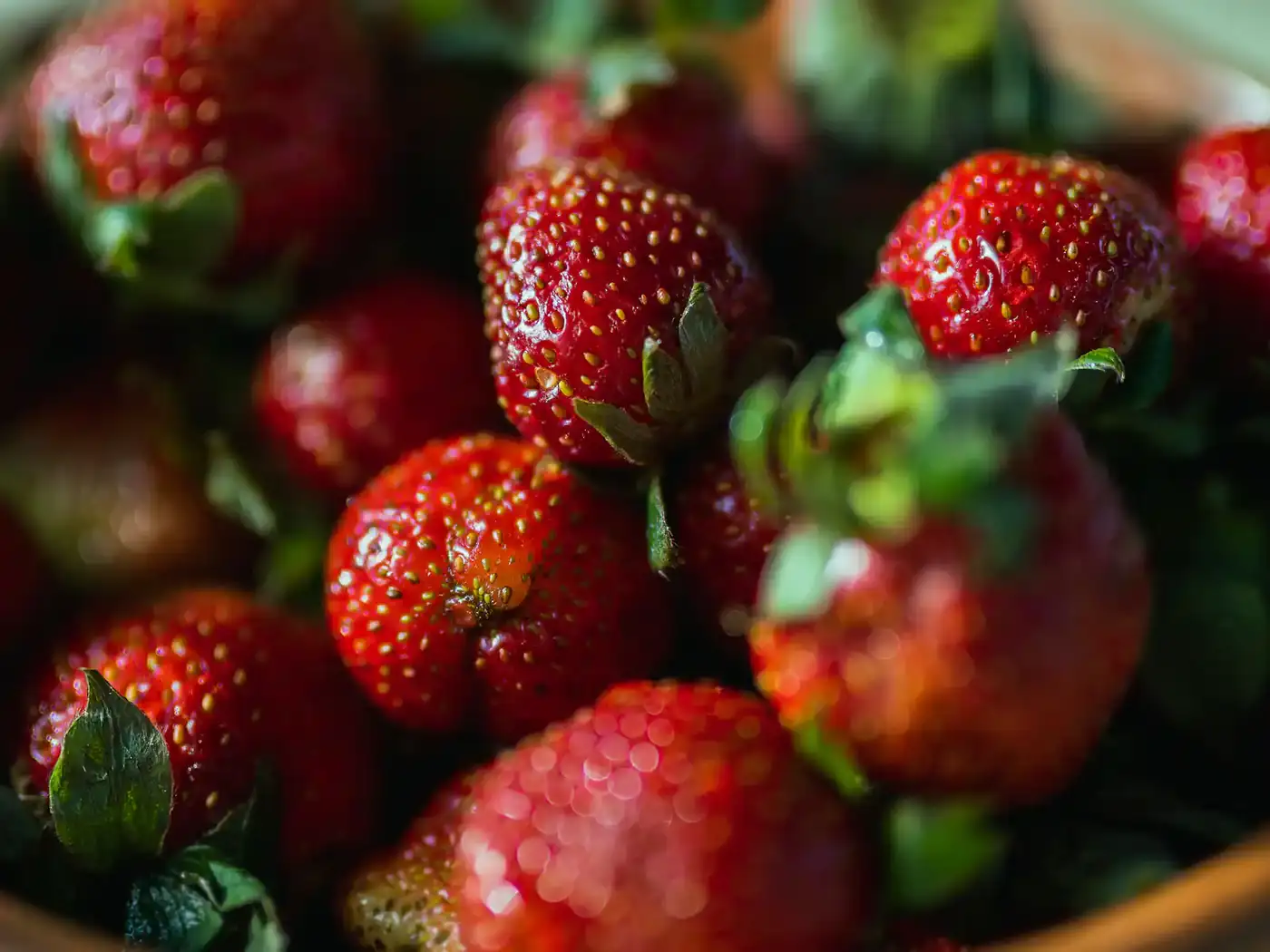
June-Bearing
Large, flavorful berries in one main crop.
Good for: one big harvest, not steady picking.
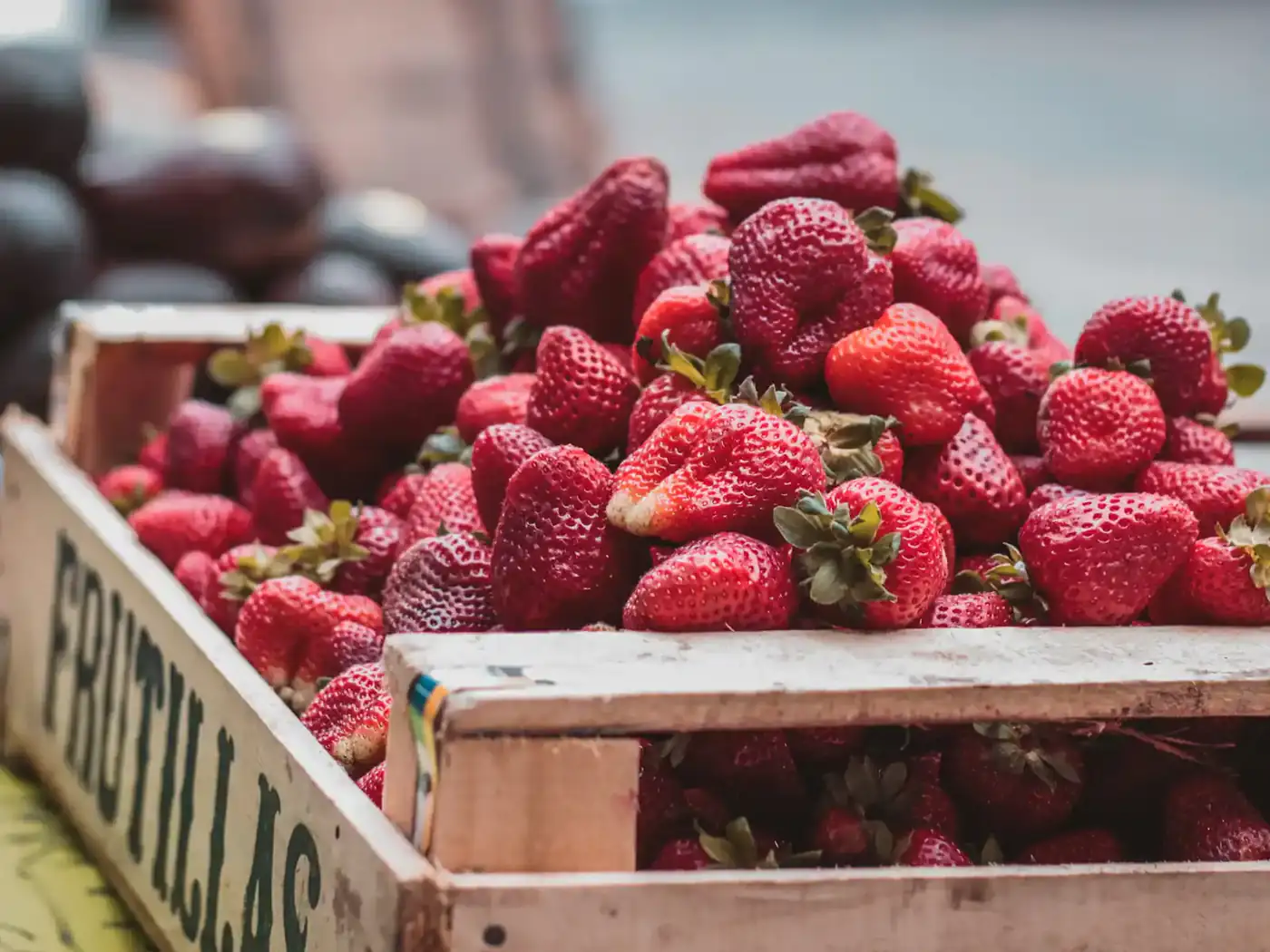
Day-Neutral
Firm, notably sweet berries on a vigorous plant.
Good for: larger containers.
Day-Neutral, Everbearing and June-Bearing
Strawberry varieties fall into three groups, based on what triggers them to flower.
Day-neutral varieties, such as Albion, Seascape and Monterey, flower regardless of day length as long as temperatures stay moderate. They fruit in repeated flushes and are the usual first choice for hydroponics.
Everbearing varieties, such as Eversweet, produce two or more crops across the season. In practice they behave much like day-neutral plants in a container.
June-bearing varieties, such as Chandler, set flower buds in short, cool days and give one large crop. They can be grown in a Kratky container, but the harvest is over in a few weeks and is harder to time indoors.
Kratky Strawberries does not sell plants. Look for these varieties as bare-root crowns or plugs from a nursery.
How a variety flowers and fruits tells you what to expect from it in a Kratky container.
Day-neutral. Flowers and fruits in flushes for as long as temperatures stay moderate. The berries are firm, which helps them hold up after picking.
Day-neutral. Keeps fruiting in warmer conditions than many varieties. The berries are large and bright red.
June-bearing. Gives one large crop of big, flavorful berries, then stops fruiting for the season. Best if you want a single heavy harvest.
Everbearing. Bred to keep producing in heat, with several flushes of sweet berries through the season.
The right variety depends as much on where the container will sit as on the berries you prefer.
Varieties differ in what you get on the plate. Albion is known for firm, conical, very sweet berries that keep a few days after picking. Seascape gives large, rounder, softer berries with good flavor. Monterey is sweet and vigorous but makes a bigger plant that suits a larger container. Chandler gives big, flavorful berries over a short season. Flavor in any variety also depends on light: plants in strong light make sweeter fruit. Our side-by-side post on Albion vs Seascape for Kratky goes into more detail on the two most popular choices.
Alpine strawberries and other small-fruited types grow well in containers, but most are grown from seed and give tiny berries, so they are a different project. Very vigorous June-bearing varieties make large plants with a short season, which is a lot of plant for a small reservoir. Unnamed plants from a garden center may be any type at all. If the label does not say day-neutral, everbearing or June-bearing, it is hard to know what to expect.
Named varieties are easiest to find as bare-root crowns from nurseries and mail-order suppliers in late winter and spring, and as plugs or potted plants later in the season. Buy from a supplier that states the variety and type. The strawberry plants guide explains what a healthy plant looks like, and our comparison of bare-root and plug plants helps you choose between them.
Strawberry varieties all take the same solution, pH and light, so there is no difficulty growing two or three side by side. It is the quickest way to find out which one suits your conditions. Label each net cup, keep notes on when each plant flowers and how much it gives, and replant the winner next season.
See the two most popular day-neutral varieties compared side by side.