Varieties
Albion vs Seascape: Which Strawberry Is Better for Kratky?
Albion vs Seascape for Kratky: both day-neutral strawberries suit Kratky growing. Compare flavor, firmness, heat tolerance and ease to choose between them.

Strawberries and the Kratky Method
Kratky Strawberries is an independent guide to growing strawberries with the Kratky method of hydroponics: no soil, no pumps and no electricity. We grow them ourselves and share what works, for anyone who wants to try it.
No SoilRoots in nutrient solution
No PumpsNothing circulates or plugs in


About Us
Kratky Strawberries is a small, independent website about one subject: growing strawberries with the Kratky method. We are growers, not a store or a nursery, and we write about what we learn from our own containers.
The Kratky method is passive hydroponics. The plant sits in a net cup above a container of nutrient solution, and as the roots drink, the falling water level leaves an air gap that gives them oxygen. Nothing circulates and nothing plugs in.
What We Do
Light, containers, nutrient solution, pH, pollination and mold, answered in plain language on one page.
Setup, containers, nutrients, pH, lighting, pollination, varieties and troubleshooting, each covered in its own guide.
Kratky Strawberries is for anyone who wants to grow strawberries with the Kratky method, whatever their starting point.
If your question is about strawberries and the Kratky method, this site is written for you.
A Kratky strawberry container is about as simple as hydroponics gets. A strawberry plant sits in a net cup in the lid of an opaque container. Below it is nutrient solution: water with a complete hydroponic fertilizer mixed in. The roots grow down into the solution, and as the plant drinks, the level slowly falls. The roots left above the surface hang in moist air and take in oxygen, which is the job a pump does in other systems.
Strawberries ask a little more of the method than lettuce or herbs. The plants live for months, so you top the container up part way through the season and keep the air gap open. You check the pH and the strength of the solution now and then, and indoors you pollinate the flowers by hand. Our guide to how the Kratky method works explains each step.
If you are new to growing strawberries in water, take it in this order:
Already have a plant, or only a windowsill? The welcome post suggests where to start for each situation.
Strawberries in a Kratky container take a few months from planting to the first ripe berries, then fruit in waves for months. Our post on how long Kratky strawberries take to fruit sets out the full timeline.
New growing notes on Kratky strawberries, from varieties to root rot. Start with our welcome post.
Varieties
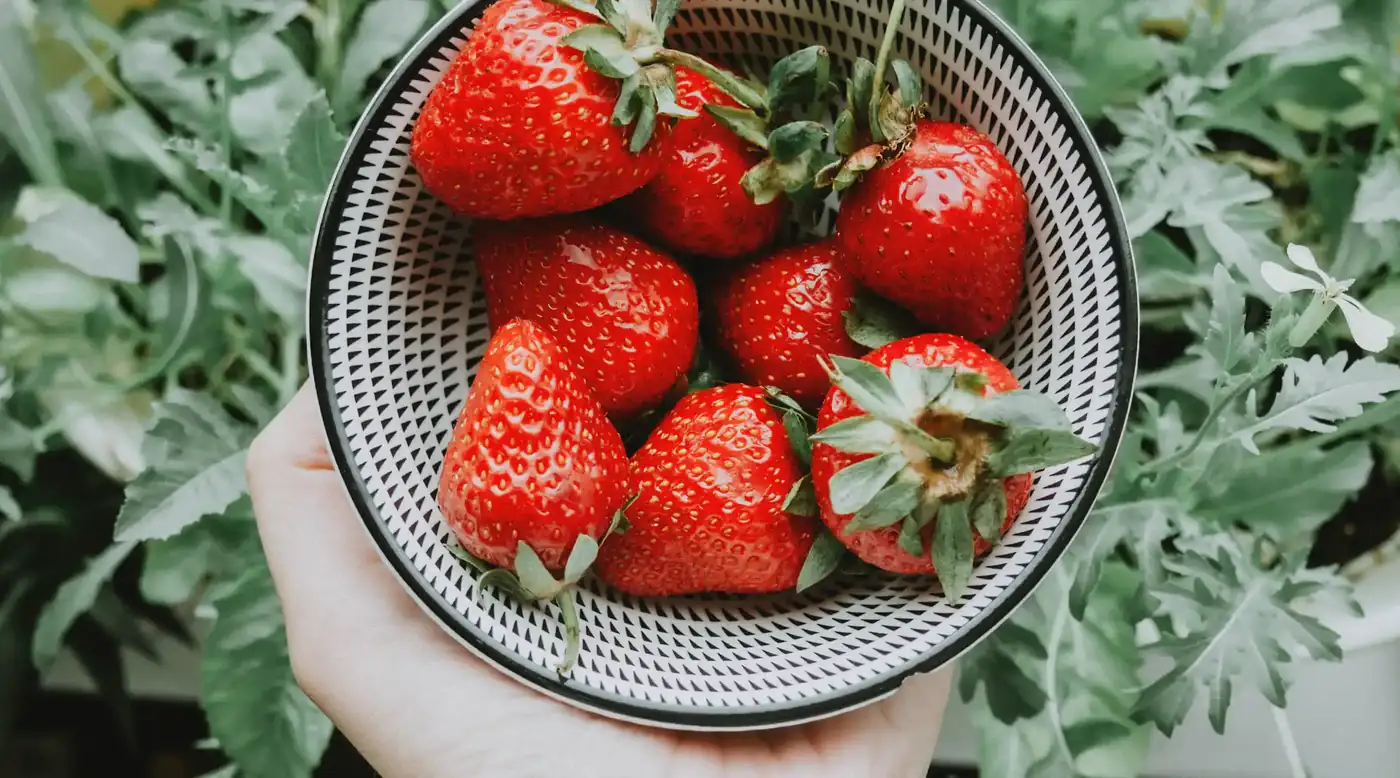
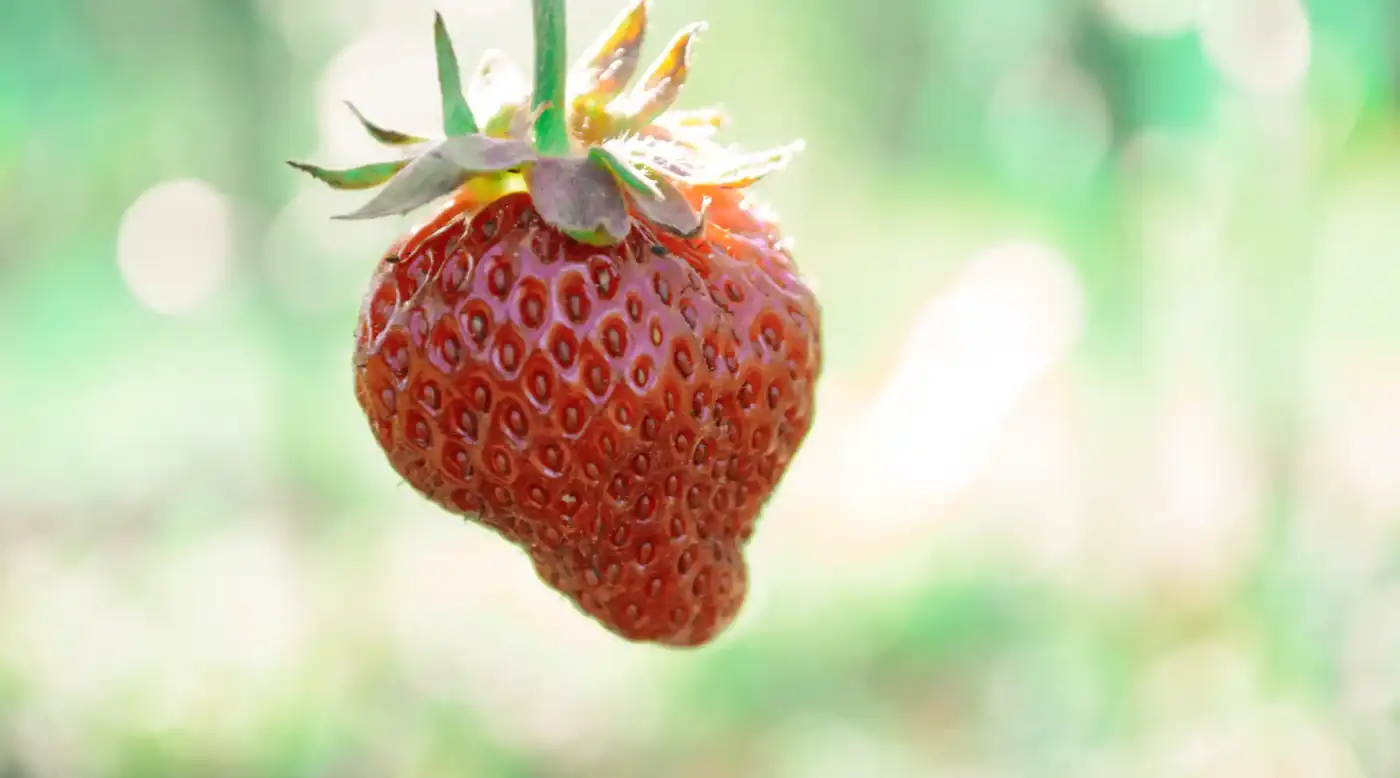
Albion vs Seascape for Kratky: both day-neutral strawberries suit Kratky growing. Compare flavor, firmness, heat tolerance and ease to choose between them.
Problems
Root rot in Kratky strawberries shows as brown, slimy roots and a sour smell. Learn what causes it, how to rescue the plant and how to prevent it.
Strawberry Plants
Cut strawberry runners in a Kratky container if you want fruit, and keep a few if you want new plants. Learn when to cut and how to root a runner.
Short answers to the questions growers ask most are on one page.