
Kratky Strawberry Guide
Pollinating Kratky Strawberries
Outdoors, bees and wind pollinate strawberry flowers. Indoors there are neither, so the job falls to you. It takes a minute a day while the plant is in flower.
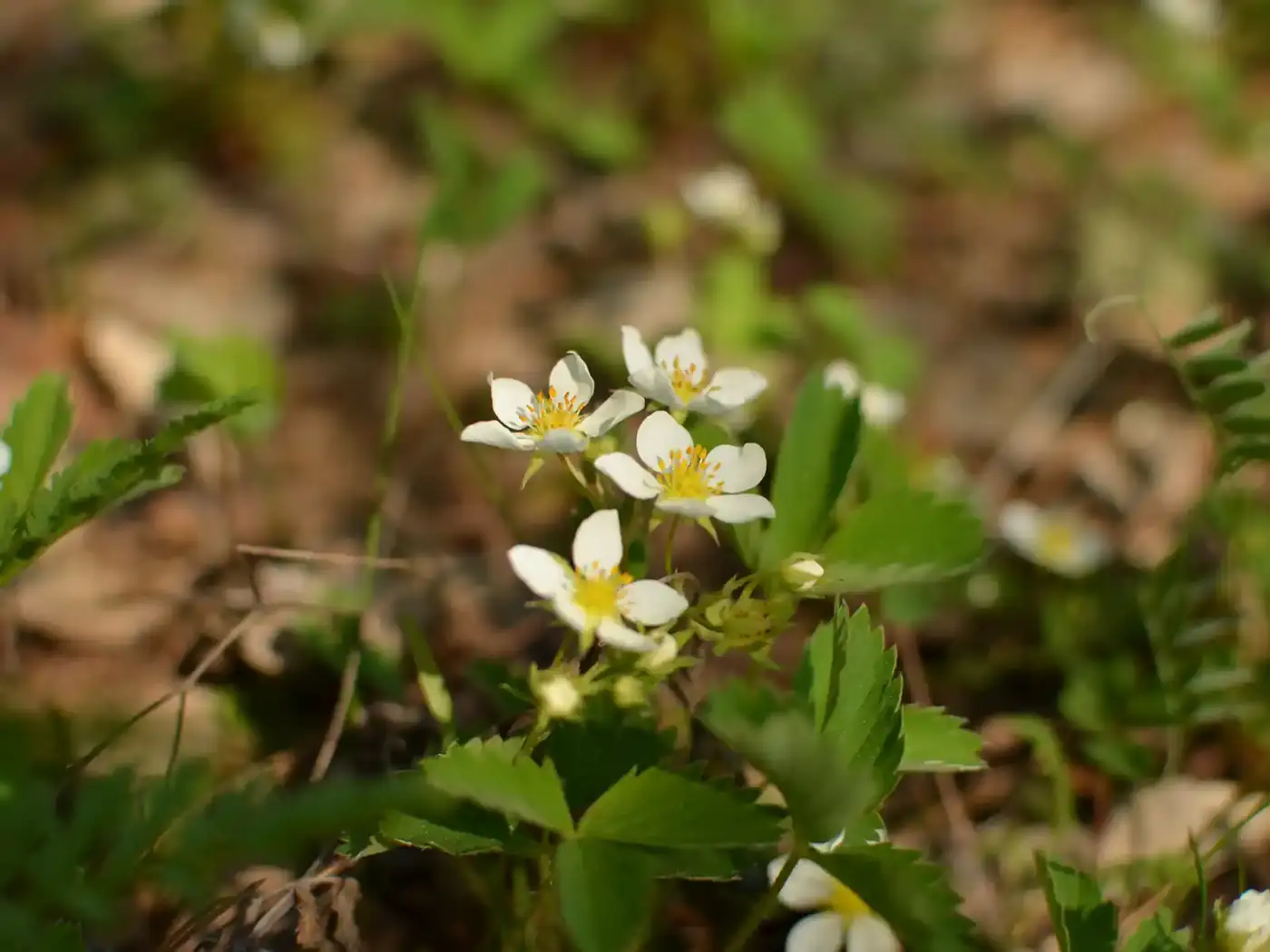
Why It Is Needed
A strawberry flower carries both the male and female parts, so one plant can pollinate itself. But the pollen still has to be moved from the ring of stamens onto the raised center of the flower. That center holds many tiny pistils, and each one that is pollinated becomes one seed on the finished berry. The flesh only swells properly around seeds that were pollinated.
How to Hand-Pollinate
- Use a small, soft, dry brush. A clean makeup or artist brush works well.
- Brush around the ring of yellow stamens to pick up pollen.
- Swirl the brush gently over the whole center of the same flower.
- Move to the next open flower and repeat. Carrying pollen between flowers helps.
Gently shaking the plant, or holding an electric toothbrush against the flower stem for a second, also releases pollen. A small fan moving air across the plants helps too.
When to Do It
Pollinate each flower once a day for the first few days after it opens, ideally around the middle of the day when the flower is dry and the pollen is loose. Very humid air makes pollen sticky and harder to move.
What Poor Pollination Looks Like
Fruit that is small, lopsided or knobbly at one end was only partly pollinated. The undeveloped areas are where pistils were missed. It is still fine to eat. Go over the flowers more thoroughly on the next flush.
The Parts of a Strawberry Flower
Hand-pollination is easier once you know what you are looking at. A strawberry flower has five white petals around a ring of yellow stamens, which carry the pollen. In the center is a raised green or yellow dome, the receptacle, covered in tiny pistils. When a pistil receives pollen, it develops into one of the small "seeds" on the outside of the berry. Botanically those seeds are the true fruits, called achenes, and the red flesh is the swollen receptacle beneath them.
This is why pollination affects the shape of the berry. Each fertilized achene releases growth signals into the flesh around it. A fully pollinated flower swells evenly into a well-shaped berry. A partly pollinated one swells only in patches.
Signs That Pollen Is Ready
Pollen is ready to move when the stamens look yellow and slightly powdery. Touch them with a dry brush and you should see a faint yellow dust on the bristles. Pollen released in the first two or three days after the flower opens is the most effective. As the flower ages the stamens turn brown and the petals start to drop, which means pollination time is over.
Making Indoor Conditions Work for You
- Temperature: pollen works best in moderate warmth, roughly 60 to 80°F (15 to 27°C). Very hot or cold rooms reduce fruit set.
- Humidity: very damp air makes pollen clump. Pollinate when the flowers are dry, usually around midday.
- Airflow: a small fan on a low setting moves pollen and also helps prevent mold.
- Light: plants that get too little light flower poorly in the first place. The lighting guide covers how much they need.
Common Hand-Pollination Mistakes
- Brushing only the top of the dome. Work the brush around the sides of the center too, where pistils are often missed.
- Using a wet or oily brush, which picks up pollen but will not let it go.
- Pollinating once and stopping. Go back each day for the first few days the flower is open.
- Pressing too hard. The flower parts are delicate, and gentle strokes are enough.
What About Outdoor Plants?
A Kratky container on a balcony or patio is usually visited by bees and other insects, and wind moves pollen too. Outdoor plants rarely need help, although a high balcony or a screened porch may see few insects. If outdoor berries come out lopsided, hand-pollinate a few flowers and compare the results.
When pollination goes well, the berries are ready four to six weeks after the flower opens. Our harvesting guide explains when to pick, and the post on how long Kratky strawberries take to fruit sets out the full timeline.
Quick Answers
Do I need two plants for pollination? No. Strawberry flowers pollinate themselves when pollen is moved within the same flower. Moving pollen between flowers helps a little.
Can I use a cotton swab? Yes, though a soft brush picks up and releases pollen more evenly.
Related Articles
More Kratky Strawberry Guides
This guide is one of a set covering each part of growing strawberries with the Kratky method, from choosing a container to solving problems.