
Misshapen Hydroponic Strawberries: Why It Happens
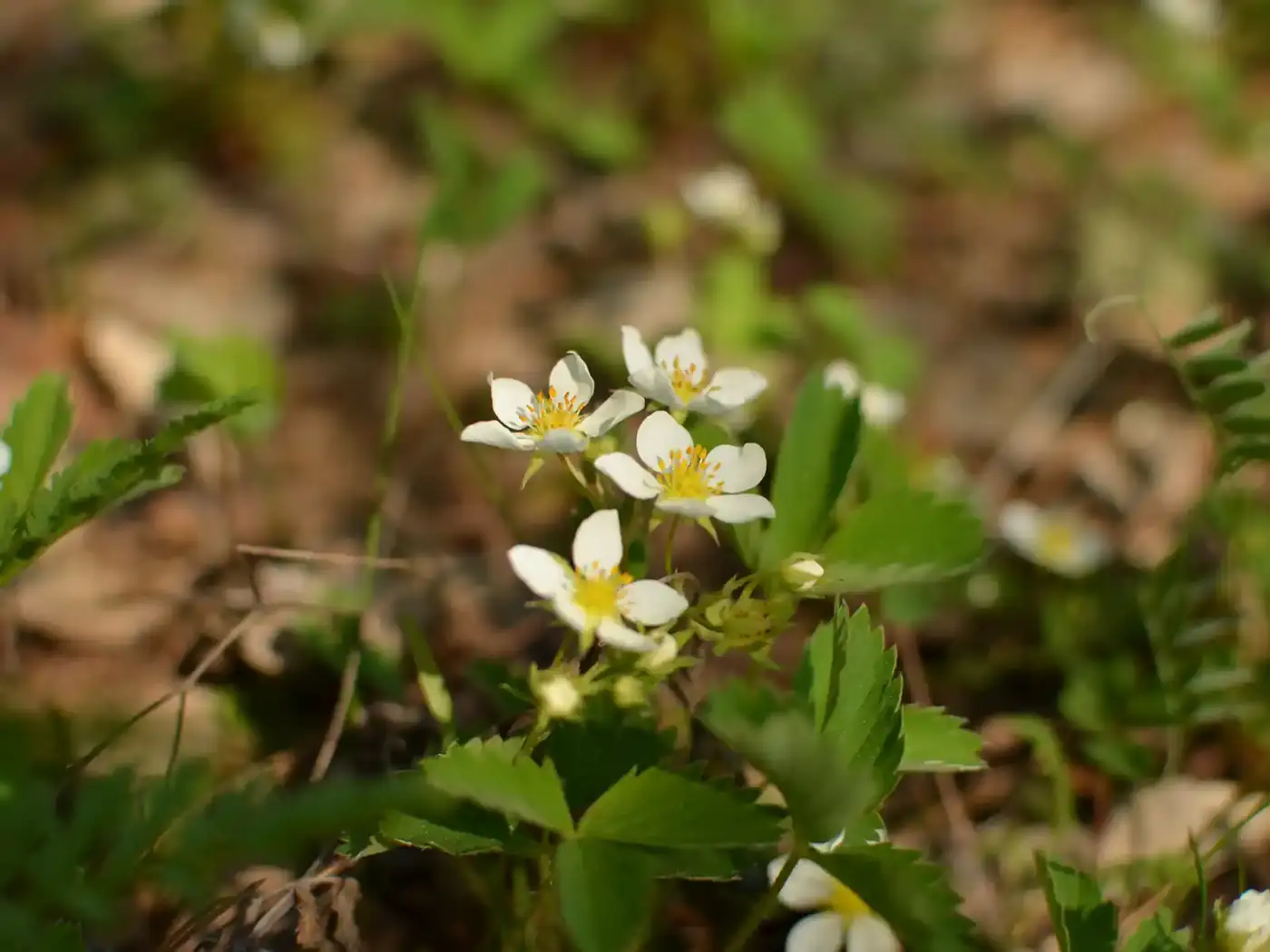
Misshapen strawberries are almost always the result of incomplete pollination. The berry only swells around seeds that were pollinated, so missed areas stay small and the fruit grows lopsided.
How to Tell It Is Pollination
- The berry is lopsided, pinched at the tip or knobbly.
- The undeveloped areas have small, crowded seeds.
- The plant itself looks healthy.
- It is growing indoors or somewhere sheltered from insects and wind.
Why It Happens Indoors
Each strawberry flower has a raised center covered in tiny pistils, and each pistil has to receive pollen to form a seed. Outdoors, bees walk over the whole flower and wind does the rest. Indoors nothing moves the pollen unless you do.
The Fix
- Use a small, soft, dry brush.
- Brush around the ring of yellow stamens to collect pollen.
- Swirl the brush over the entire center of the flower.
- Repeat on each open flower daily for the first few days after it opens.
A small fan moving air across the plants helps as well.
Other Causes to Rule Out
- Heat or cold while flowering: pollen does not work well at temperature extremes.
- Very humid air: pollen clumps and does not transfer.
- Nutrient problems: a shortage of boron or calcium can distort fruit, usually alongside distorted new leaves. Check pH first, then replace the solution.
- Insect damage: more likely outdoors than in.
Can You Still Eat Them?
Yes. Misshapen berries taste the same. The fix applies to the next round of flowers, not the fruit already formed.
Different Shapes, Different Causes
The shape of a misshapen berry often points to the cause.
- Lopsided, with one side full and one side flat: part of the flower center was missed during pollination.
- Pinched, hard green tip: the pistils at the very tip were not pollinated. This area is the most often missed.
- Seedy, shrunken berry that stays small: very few pistils were pollinated, often in heat or very high humidity.
- Cracked or split fruit: usually uneven water supply or a sudden change in conditions, not pollination.
- Fan-shaped, flattened berries: some large varieties produce these on the first flower of a cluster. It is a natural trait.
Why the First Berry Is Often the Biggest
Each strawberry flower stalk carries a cluster of flowers that open in sequence. The first, called the primary flower, has the most pistils and usually gives the largest berry. Later flowers have fewer pistils and give smaller fruit. Smaller later berries are therefore normal, not a sign that pollination has failed. What matters is whether each berry is evenly shaped for its size.
Checking Whether Pollination Worked
You do not have to wait for the berry to ripen to know whether pollination went well. A week or so after a flower opens, look at the small green fruit in the center. An evenly swelling, symmetrical green berry with seeds spread across it was well pollinated. A green berry that is already lopsided, with a patch of crowded seeds and no swelling, was missed in that area. Note which flowers turn out well, and you will quickly see whether you are missing the tips or the sides of the flower center. The guide to pollinating Kratky strawberries shows the full technique.
Nutrients and Fruit Shape
Nutrient problems cause misshapen fruit far less often than poor pollination, but they are worth ruling out. Boron is needed in tiny amounts for pollen to work and for fruit to form properly, and calcium is needed for firm, even growth. A complete hydroponic nutrient supplies both. Problems usually come from a pH that has drifted out of range or a solution that has been running for many weeks. Check the pH, and if the solution is old, replace it. Our post on Masterblend mixing ratios explains why the calcium part of a dry recipe should never be skipped.
Pests and Fruit Damage
Outdoors, small insects such as tarnished plant bugs feed on developing berries and cause hard, seedy patches, often at the tip. Indoors this is rare. Thrips can cause bronzed, dull skin on the fruit. If the plant is outdoors and pollination looks thorough, inspect the flowers closely for small insects.
Using Misshapen Berries
Lopsided berries taste just as good as perfect ones. They are ideal for sauces, smoothies and jam. Our guide to harvesting and using Kratky strawberries includes a quick strawberry sauce that suits them well.
Quick Answers
Will the next berries be better? Yes, if you pollinate the next flowers more thoroughly. A berry already formed cannot be reshaped.
Can one variety be more prone to it? Yes. Some large-fruited varieties produce more irregular first berries, and some are more sensitive to heat while flowering. If one variety keeps giving poor shapes despite good pollination, try another. The varieties guide compares the popular choices.
Related guide: Pollinating Kratky strawberries by hand.