
Masterblend for Kratky Strawberries: Mixing Ratios Explained
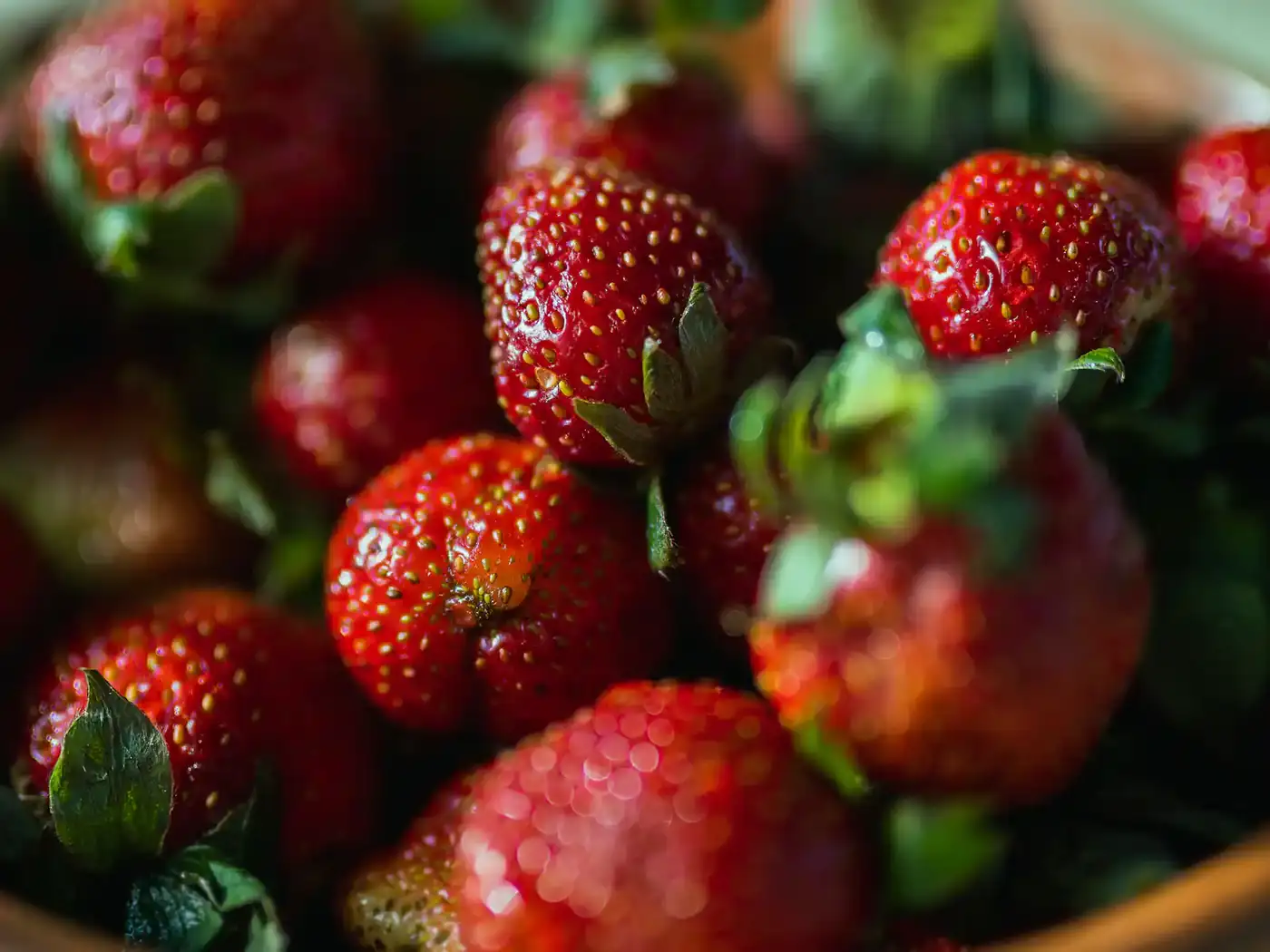
The widely used Masterblend recipe combines three dry ingredients in a 2:2:1 ratio by weight. For strawberries, mix it weaker than the standard recipe. Always check the instructions on the bags you buy, since they are the final word.
The Three Parts
- Masterblend 4-18-38: the base formula, supplying phosphorus, potassium and trace elements.
- Calcium nitrate: supplies calcium and most of the nitrogen.
- Epsom salt (magnesium sulfate): supplies magnesium and sulfur.
The Standard Ratio
The recipe most growers quote is 12 grams of Masterblend, 12 grams of calcium nitrate and 6 grams of Epsom salt for 5 gallons of water. That works out to roughly 2.4, 2.4 and 1.2 grams per gallon, often rounded to 2, 2 and 1.
Mixing for Strawberries
Strawberries are sensitive to salt and prefer a milder solution than tomatoes. Start young plants at about half the standard recipe, and run established plants at half to three-quarters. If you have an EC meter, aim for roughly 1.0 to 1.5 mS/cm.
Why Each Part Is Dissolved Separately
Calcium nitrate reacts with the phosphates and sulfates in the other two ingredients when they meet in concentrated form, and the result is a solid that plants cannot use. To avoid it:
- Weigh each ingredient with a digital scale. Spoon measures are not accurate for powders.
- Dissolve the Masterblend completely in the full volume of water.
- Dissolve the Epsom salt in, and stir.
- Dissolve the calcium nitrate last, stirring until the water is clear.
Never mix the dry powders together, and never combine them in a small amount of water.
After Mixing
Test the pH and adjust it to between 5.5 and 6.5. Store the dry ingredients sealed and dry, where they keep for years.
A Worked Example for Strawberries
To mix 5 gallons at about half to three-quarters of the standard recipe for established strawberry plants:
- Half strength: 6 grams of Masterblend, 6 grams of calcium nitrate and 3 grams of Epsom salt.
- Three-quarters strength: 9 grams of Masterblend, 9 grams of calcium nitrate and 4.5 grams of Epsom salt.
For a single gallon, divide by five: half strength is about 1.2, 1.2 and 0.6 grams. Small amounts like these are where a digital scale that reads to a tenth of a gram earns its place. For a 1 gallon batch, measuring accurately is hard, so many growers mix a larger batch and store what they do not use.
Making a Stock Solution
If you run several small containers, weighing tiny amounts every time is tedious. Some growers make concentrated stock solutions instead, keeping each part in a separate labeled bottle and measuring them out by volume when mixing. The same rule applies: never combine the concentrated calcium nitrate stock with the other two. Each concentrate is added separately to the full volume of water. Label every bottle clearly and store them away from food and drink.
Checking the Result With a Meter
Recipes are a starting point. Your water adds its own minerals, and scales and measures vary. After mixing, check the solution with an EC meter if you have one, and adjust with more water or a little more of each ingredient in the same ratio to reach your target. Our post on EC for Kratky strawberries gives target readings by growth stage. Then check the pH, which Masterblend solutions often bring slightly low or high depending on the water.
Why Calcium Matters for Strawberries
Calcium nitrate is not an optional extra in this recipe. Strawberries need steady calcium for firm fruit and healthy new leaves, and the base Masterblend formula contains little of it. Skipping the calcium nitrate, or cutting it more than the other parts, can lead to tip burn on young leaves and soft berries. Keep the three ingredients in the 2:2:1 ratio whatever strength you mix.
Storing the Ingredients
- Keep each powder in its original bag, sealed and dry.
- Calcium nitrate draws moisture from the air and can turn into a solid lump. A sealed container with a lid helps.
- Store everything out of reach of children and pets.
- Mixed solution is best used fresh. If you store a batch, keep it in a dark, sealed container and use it within a couple of weeks.
Masterblend Compared With Bottled Nutrients
Bottled liquid nutrients are simpler: you measure milliliters instead of weighing grams, and there is no risk of mixing powders in the wrong order. They cost more per gallon of solution. Dry recipes such as Masterblend are inexpensive and keep for years, which suits growers with several containers. Either will grow good strawberries if you mix them at the right strength. Our Kratky strawberry supplies guide lists everything else you need, and the nutrients guide explains how to manage the solution through the season.
Related guide: Nutrients for Kratky strawberries.