
How Deep to Plant a Strawberry Crown in a Net Cup
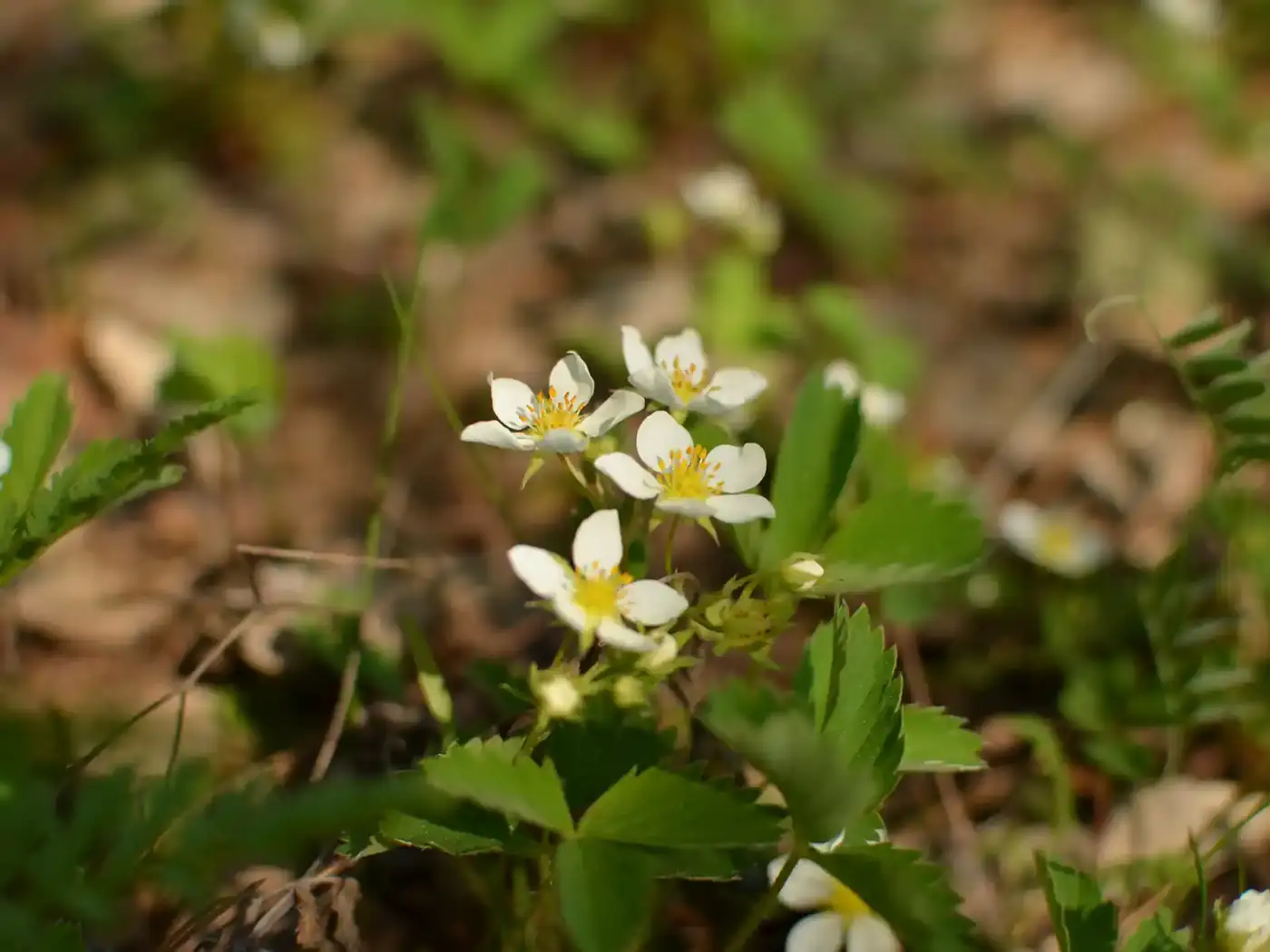
Set the plant so the base of the crown sits level with the top of the growing medium: roots below, crown above. Too deep and the crown rots. Too shallow and the top roots dry out.
Finding the Crown
The crown is the short, thick, woody stem between the roots and the leaf stalks. On a bare-root plant it is easy to see. The point where the roots begin is the line you are aiming to match with the surface of the medium.
Planting Step by Step
- Feed the roots down through the net cup so they hang out of the bottom.
- Hold the plant at the right height with one hand.
- Fill around the roots with clay pebbles, working them in gently.
- Stop when the pebbles reach the base of the crown. The growing point in the center should be clear and dry.
Too Deep
A buried crown stays damp. The center of the plant turns brown and soft, new leaves fail to emerge and the plant collapses. In a Kratky container this is made worse if the solution is high enough to wet the crown.
Too Shallow
If the upper roots are exposed above the pebbles they dry out, and the plant rocks about in the cup. It grows slowly and wilts easily.
Fixing It Later
Crowns can lift as roots grow, and pebbles settle. Check after the first week or two. Add or remove a few pebbles to bring the surface back to the base of the crown. It is a small adjustment that is easy to make before the roots fill the cup.
Why the Crown Is So Sensitive
The crown is where every leaf, flower and root of a strawberry plant begins. At its center is the growing point, a small bud from which new leaves unfold. That growing point needs air. When it stays wet for long periods, fungi and bacteria that cause crown rot move in, and once the growing point is damaged the plant cannot make new leaves. This is why strawberries are more particular about planting depth than most other plants grown with the Kratky method.
Crown Depth for Different Starting Plants
- Bare-root crowns: the easiest to judge. The line where the roots start is clear. Set it level with the top of the medium.
- Plugs: set the top of the plug block level with, or just below, the surface of the pebbles. Do not add medium over the top of the plug.
- Rooted runners: the crown is small and sits right on top of the new roots. Keep it above the surface and hold the plant steady with a few pebbles around the base.
- Plants moved from soil: find the crown by its woody texture and match it to the surface, ignoring how deep it was in its pot.
Choosing a Growing Medium
Clay pebbles are the usual choice because they drain freely and do not hold water against the crown. Pebbles of a medium size support the plant without packing tightly. Fine, water-holding media such as peat or coir stay wet near the surface, which raises the risk of crown rot if used to fill the whole cup. If you use a starter cube for a young plant, keep its top level with the pebbles and the crown above it.
The Solution Level and the Crown
At planting, the solution should just touch the bottom of the net cup, so it wicks a little moisture into the lower pebbles without reaching the crown. Never fill so high that solution rises into the upper part of the cup. As the plant grows and the level falls, the crown becomes safer. A refill that comes back up to the net cup can wet the crown again, which is another reason to top up only part way. See our post on topping up a Kratky container.
Supporting a Top-Heavy Plant
Strawberry plants carrying fruit can lean and rock in their net cups, which lifts the crown and exposes roots. A few extra pebbles around the base usually steady them. In a windy outdoor spot, a larger net cup or a small stake tied loosely to the lid helps. Avoid pushing the plant deeper to stabilize it.
Signs of Crown Rot
An early sign is a center that stops producing new leaves while the outer leaves still look fine. Later, the youngest leaves wilt or brown, and the crown feels soft. Cut open, a rotting crown shows brown or reddish discoloration inside. A plant with a rotting crown rarely recovers. Replace it, clean the net cup and set the new plant at the right height. The Kratky strawberry problems guide covers other causes of wilting.
Related guide: How a strawberry plant grows.